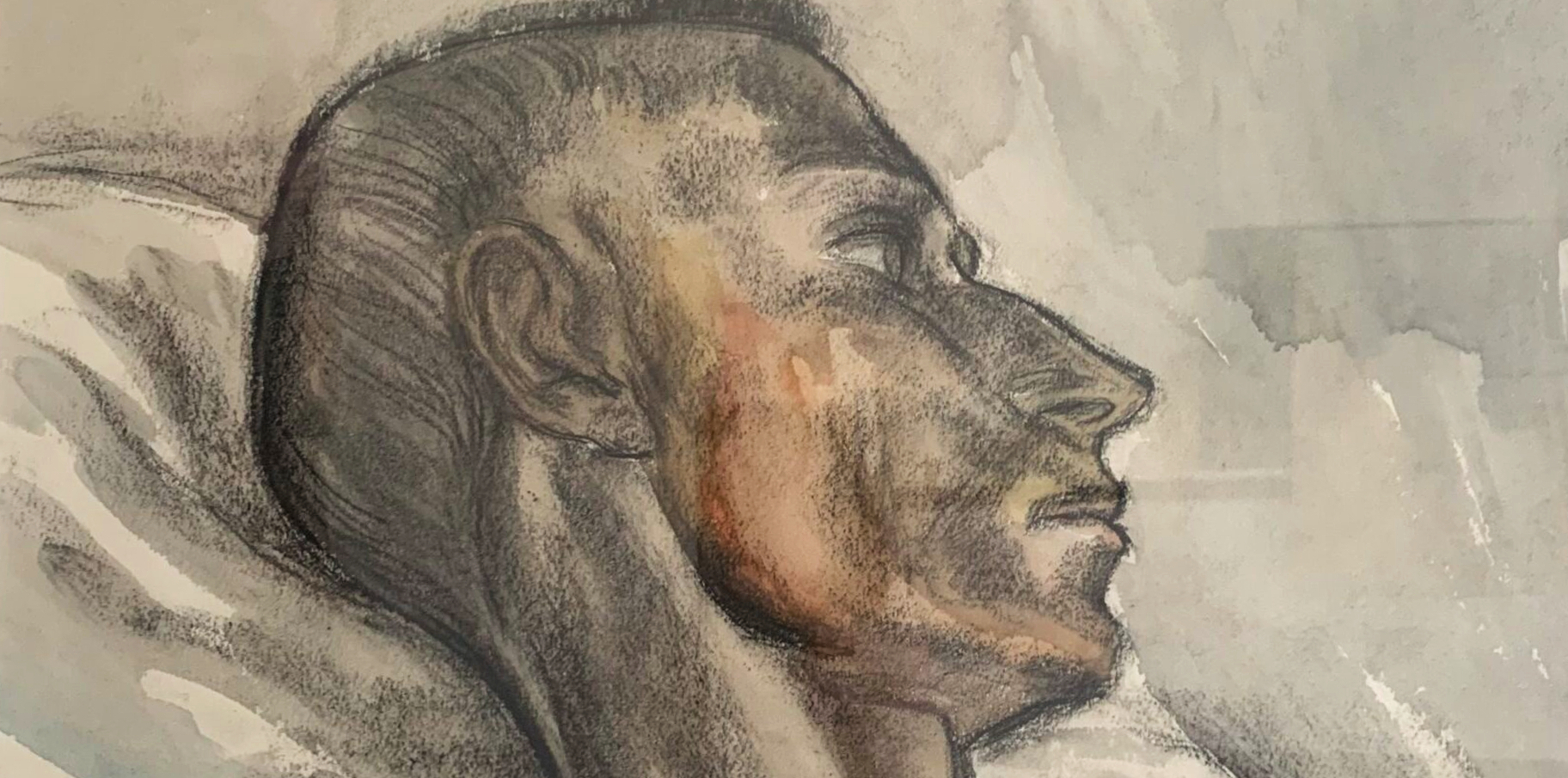
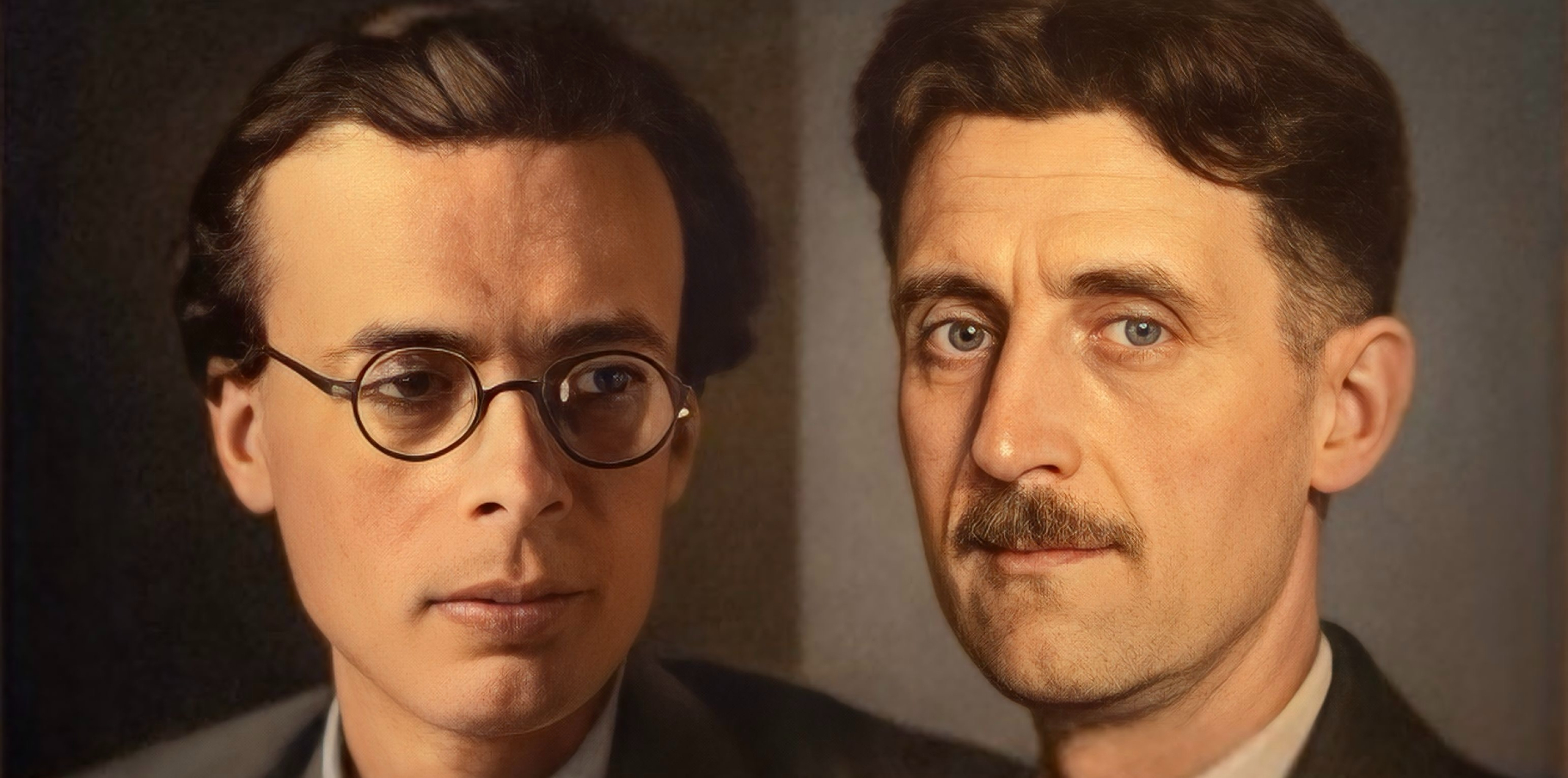
Claire Van Zant was born Claire Dalling on May 30, 1922 in Ayr, Scotland. She attended the Royal Academy in London until the building was destroyed by a German bomb in the early days of WWII. She was one of the first women conscripted into the Royal Air Force. During her time in service, she worked as a codebreaker for bomb raids and then was sent to Bergen-Belsen in order to help the displaced populace of the camp. After the war, she returned to England, studied at Oxford (under C. S. Lewis and J. R. R. Tolkien) and taught. She came to the United States in 1963 and created the first Humanities program of study at Mayo High School. She remained there until her retirement. On June 12, 1964, she married Robert D. Van Zant in Rochester. They were both members of Calvary Episcopal Church. Mrs. Van Zant died at the age of 96 on July 14, 2018.
It is that part of men and women which makes them endure, with heroism, when all hope appears to be lost.
"Currently in the world of education preference and emphasis is certainly upon the sciences, mathematics, physics-biology-chemistry, computer sciences and technical training of all kinds.
But yet, in a mood of great disquiet emanating from violent eruptions of race hatred, stormy protest, fear of AIDS epidemic and the prevailing persistence of a terrifying drug war, there is an emerging consciousness of the need to provide liberal education which will prepare the student for life as well as for life's work..."
How do you imagine God and a world after Claire Van Zant?

ABSTRACT: Finding Our God-Terms | Mark Edmundson, a longtime English professor at the University of Virginia, argues throughout his works—from Why Read? (2004) to The Heart of the Humanities (2018) and The Age of Guilt (2023)—that modern universities have been corrupted by a consumerist, tech-dominated culture that stifles deep thought, solitude, and spiritual growth.
For Edmundson, a true education begins with the question “How do you imagine God?” -- a metaphorical challenge urging students to examine their ultimate beliefs, or “god-terms,” beyond the shallow ideals of success and consumption. He believes higher education should free students from inherited consumer values, encouraging them to read deeply, think independently, and find meaning through language, literature, and writing—secular acts of prayer and self-knowledge. In rejecting the restless “cool consumer worldview,” Edmundson calls for a return to inwardness and deliberation, where reading and writing become paths toward self-understanding, human connection, and gratitude—a hopeful, humanistic alternative to the noise of the digital age.
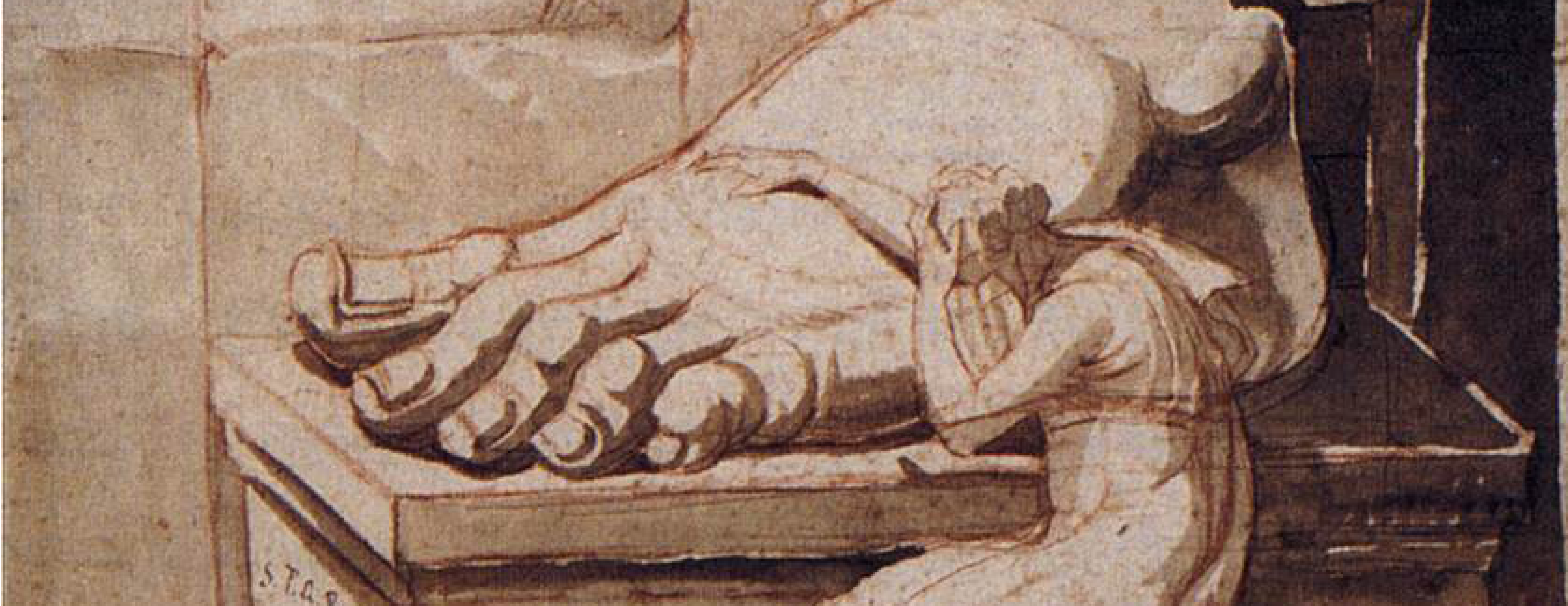
ABSTRACT: How Humanists Helped Wreck the Humanities | Justin Smith-Ruiu argues that the humanities are under serious pressure from a mix of administrative priorities, changing academic norms, and broader cultural and technological shifts. He suggests that universities have increasingly valued efficiency, branding, and professional outcomes over deep humanistic inquiry, while some professors have also contributed to making the field more inward-looking and disconnected from its larger traditions. At the same time, he presents the humanities as valuable not for producing measurable results, but for cultivating curiosity, freedom, and a broader understanding of human culture through works ranging from canonical literature to folklore and language. The essay concludes that, since universities may not easily reverse these trends, humanists may need to build new, independent spaces for serious study and conversation.

TNP Educator Series